Five tips for storyboarding a film project
A storyboard is a key tool filmmakers use to bring direction and structure to a project. Here are five tips for creating one that actually helps your team.
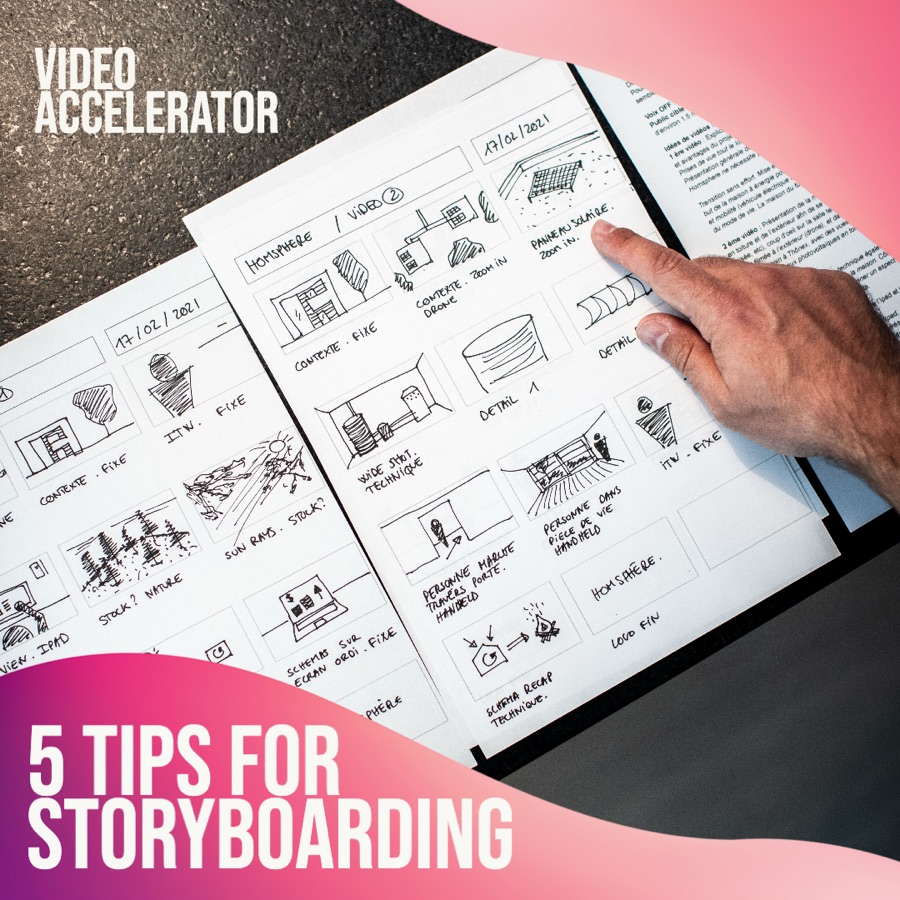
Storyboards, for those who may not know, are a set of illustrations that show the plot and camera angles used within a film project. The goal is to give a film-making team a clear vision and set of instructions on how the director wants the project to look and feel. No matter the size of your project or team, it's really useful to have a storyboard to hand to help keep your project on track.
1. Focus on the story
Regardless of the type of project you're creating, every film needs a storyline — a narrative to follow to grab viewers. Start by forming a script or timeline for your project, highlighting the main story elements that need to be covered. Think about the characters and how they'll resolve any issues in their lives. From there, think about how the story will be shown visually, including camera angles.
2. Don't worry about your drawing ability
Many people think a storyboard has to contain beautiful pieces of art. This isn't true. Remember that first and foremost it's a tool for you to use, not a piece of art to hang on your wall. If you feel you can only draw stick figures and smiley faces, then stick figures and smiley faces are perfect.
3. Make sure your storyboard is accurate
Although your drawing skills don't have to be amazing, you do have to make sure your goals and plans are clear. Make sure you've highlighted every shot and angle, hit every story point, and made it clear for the whole team. Take the time to communicate your idea and intentions, and check everyone understands the storyboard. Then make sure everyone has a copy of the final document to hand.
4. Get everything to flow
With a storyboard, you don't just want to plan the shots you're going to use. You want to consider how the shots will transition and flow together to immerse the viewer in the piece.
5. Use your storyboard
It's really easy to design a storyboard and then forget to use it. Although it's good to be creative, remember the storyboard is there to help you — it'll make your project easier and help everyone know what's going on. If you have a team, make sure everyone has a copy and keeps it on them when filming and editing, and that they understand what's being asked for in the drawings so there's no confusion later on.